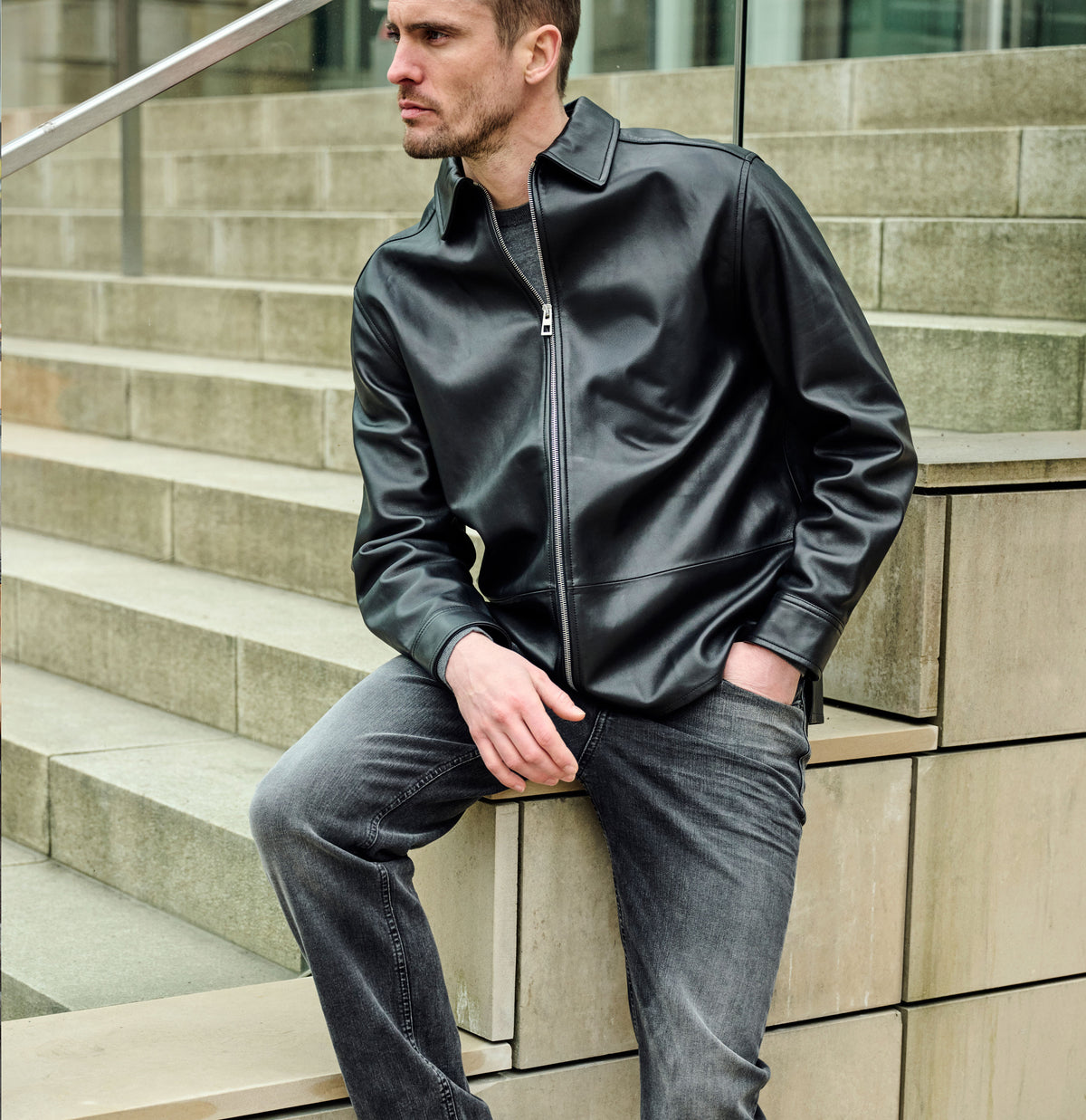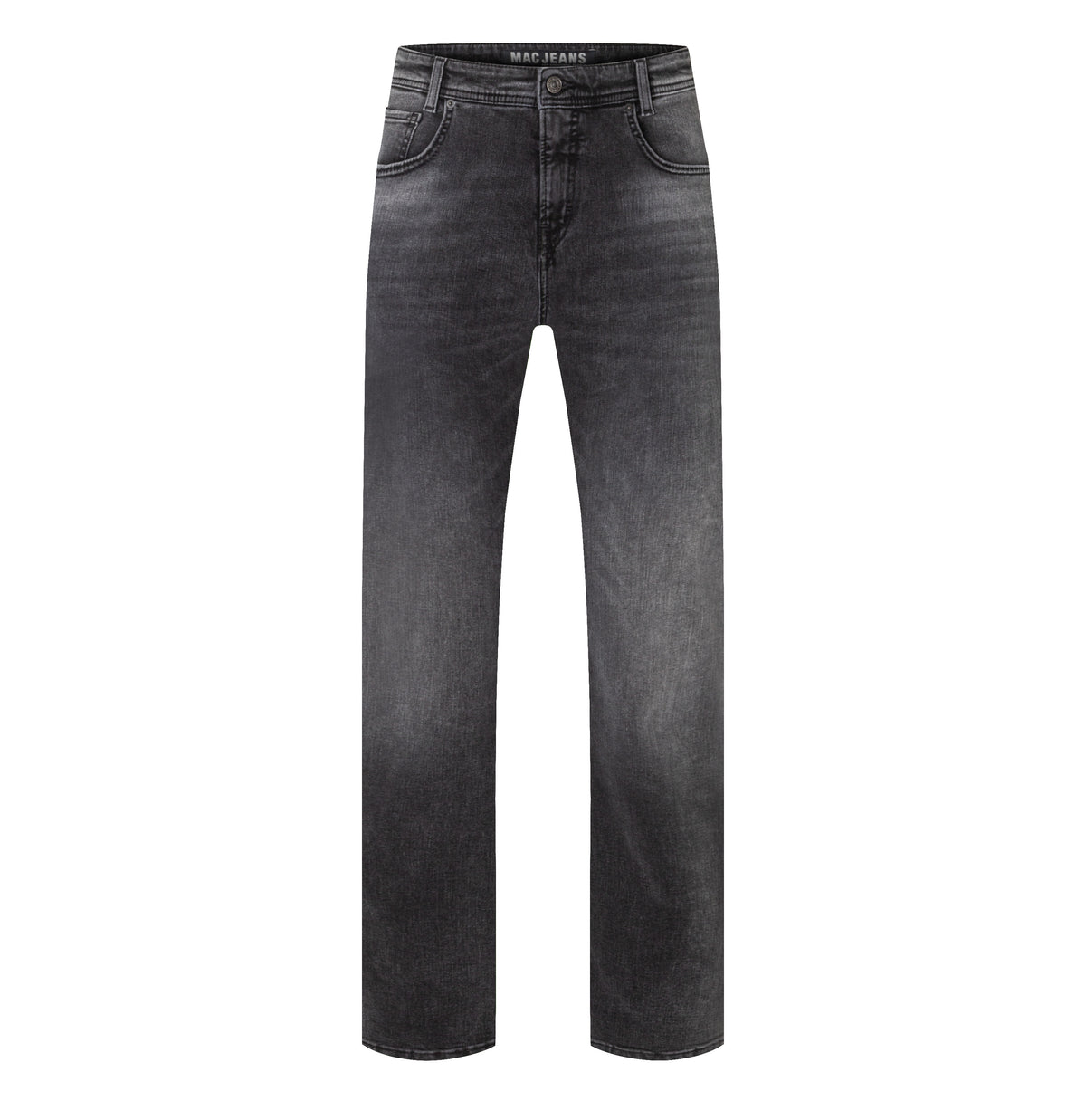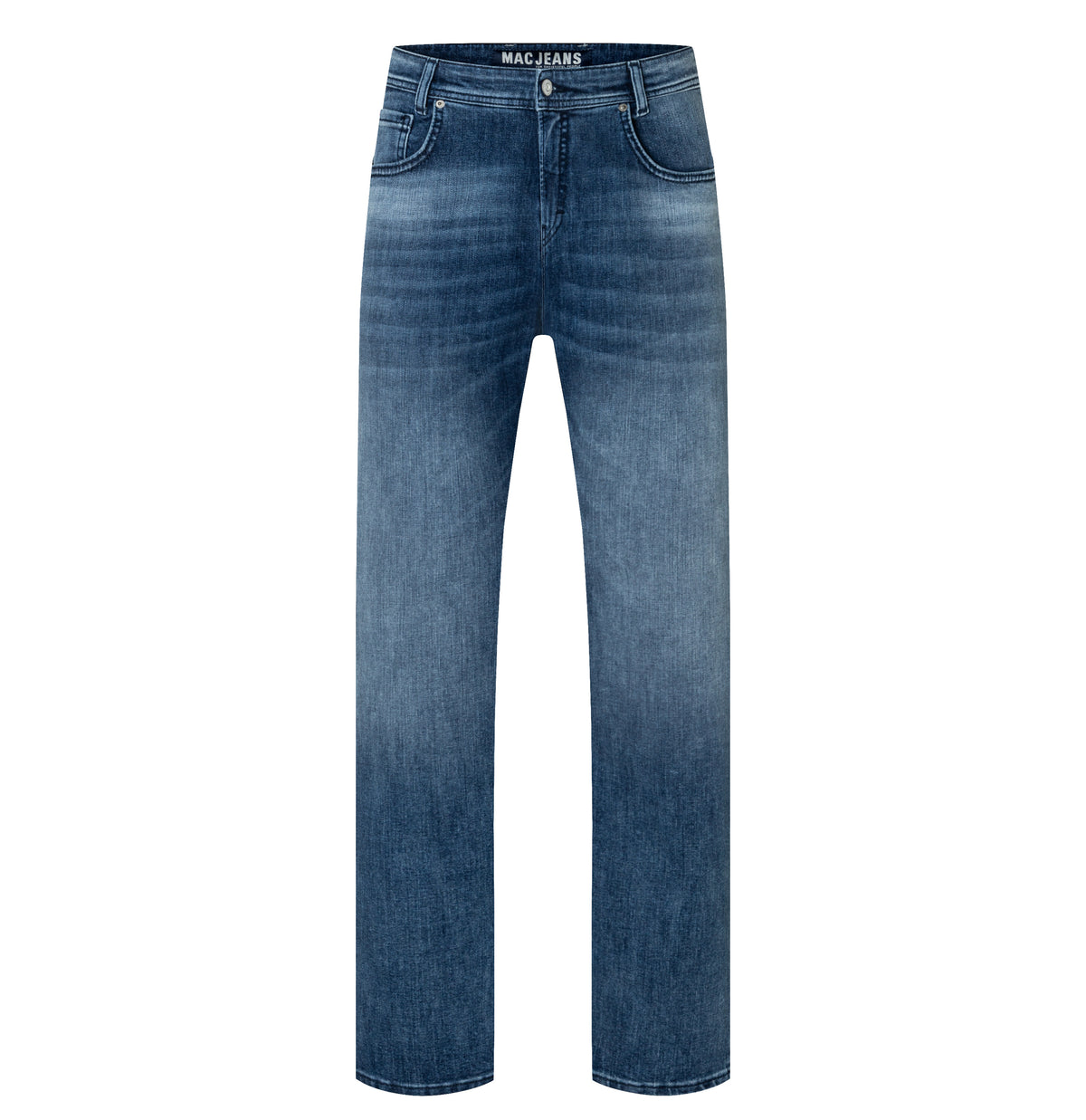




RAINBORN DENIM
AT MAC JEANS, PEOPLE ARE CURIOUS IN ALL DIRECTIONS. IN THE CASE OF ‘RAINBORN DENIM’, THIS OPEN-MINDEDNESS HAS PAID OFF. A RESEARCH TRIP BY SIMON KHASANI – CREATIVE DIRECTOR OF MAC MENSWEAR – THROUGH NORTHERN BRAZIL.
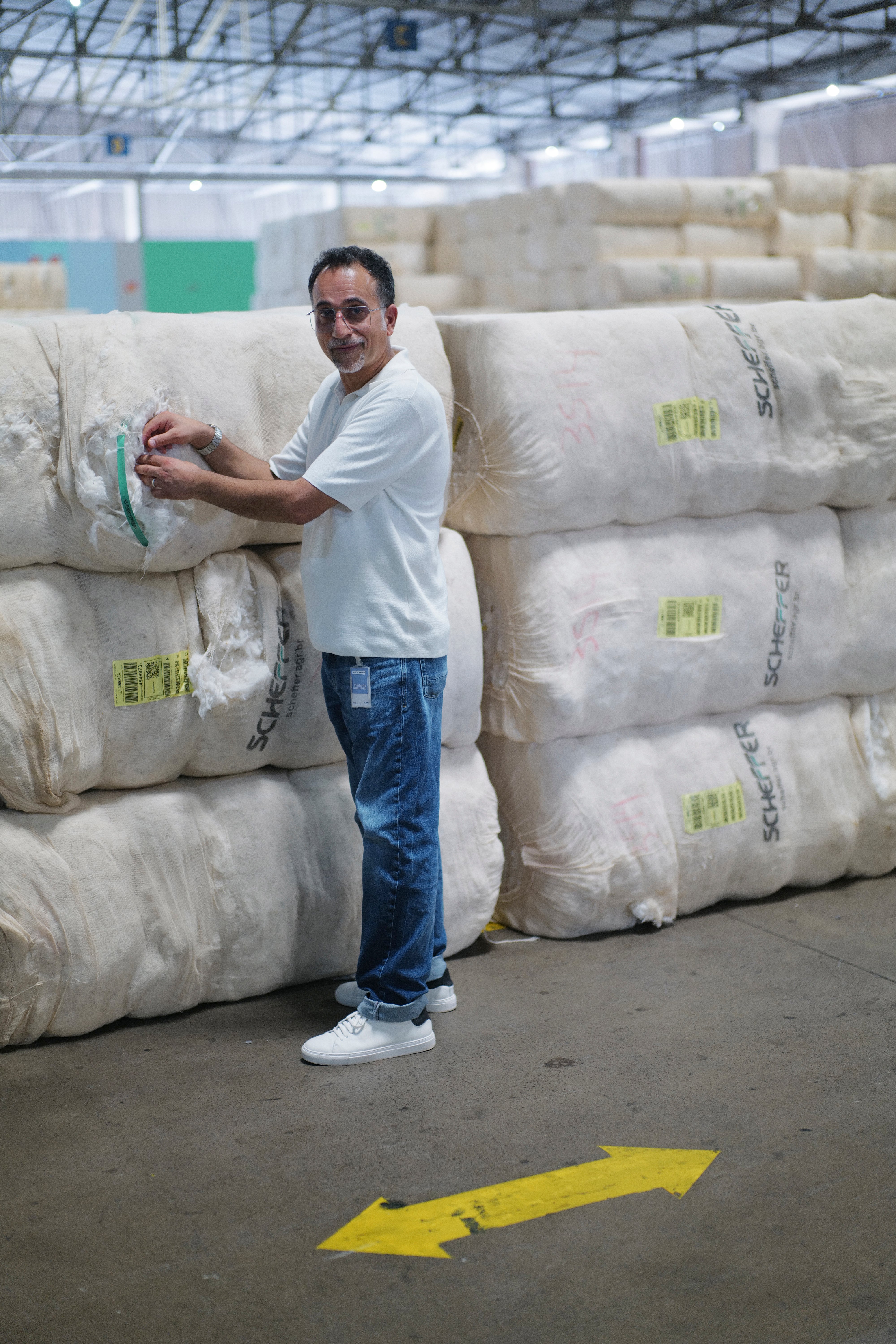
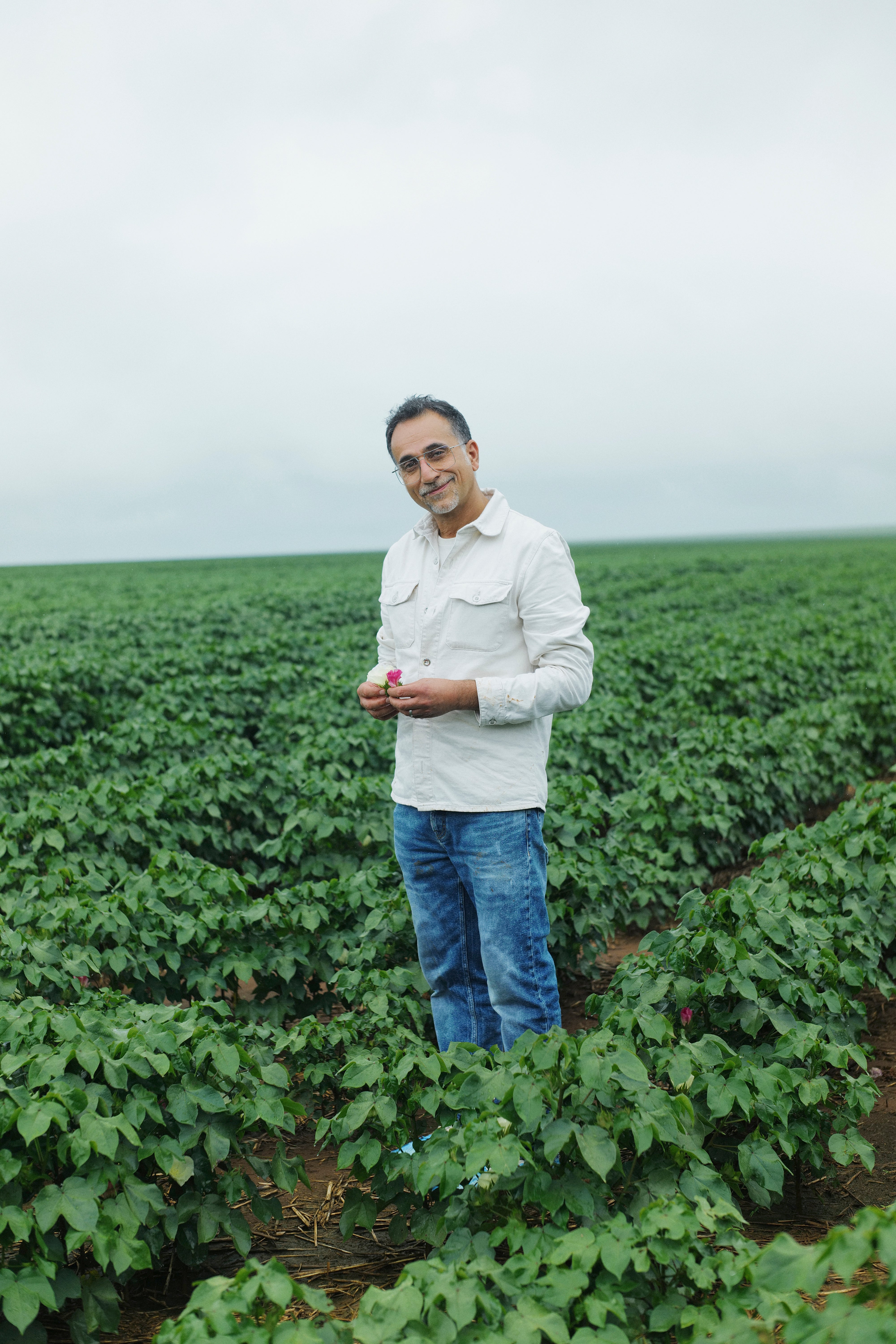
The family-run business MAC JEANS is renowned for its innovative spirit and commitment to sustainability. Yet even in this respect, the company remains open to new ideas. It deliberately avoids black-and-white thinking – not out of affectation, but out of experience. Anyone who makes a pair of trousers is never just making a product. They make decisions about fibres, land, water, supply chains, transport routes and those invisible things that often only become visible in fashion when they are missing. Simon Khasani, Creative Director of MAC MENSWEAR, therefore travelled to Brazil – not to the Brazil of tourist stereotypes, but to a different one: to the west of the state of Mato Grosso, on the high plateau of the Chapada dos Parecis around Sapezal, one of the country’s most productive agricultural regions. The reason for the trip was a piece of news that initially sounds almost paradoxical in the textile industry: cotton that does not require artificial irrigation. Cotton that is not drawn from rivers, lakes or groundwater reserves, but from the rhythm of the seasons. At Scheffer, a Brazilian family-run business and pioneer in regenerative cotton, the raw material is grown using the so-called sequeiro system – in other words, rain-fed. The plant is sown at the start of the rainy season, uses the wet months to grow and reaches maturity when the dry season begins. What elsewhere has to be enforced by pumps, canals and technical infrastructure follows an agronomic choreography here: sowing when the heavens provide; harvesting when the landscape dries out. Scheffer and the fabric manufacturer Vicunha from Brazil describe this cotton as being cultivated exclusively from rainwater, without any water being drawn from rivers, lakes or springs.
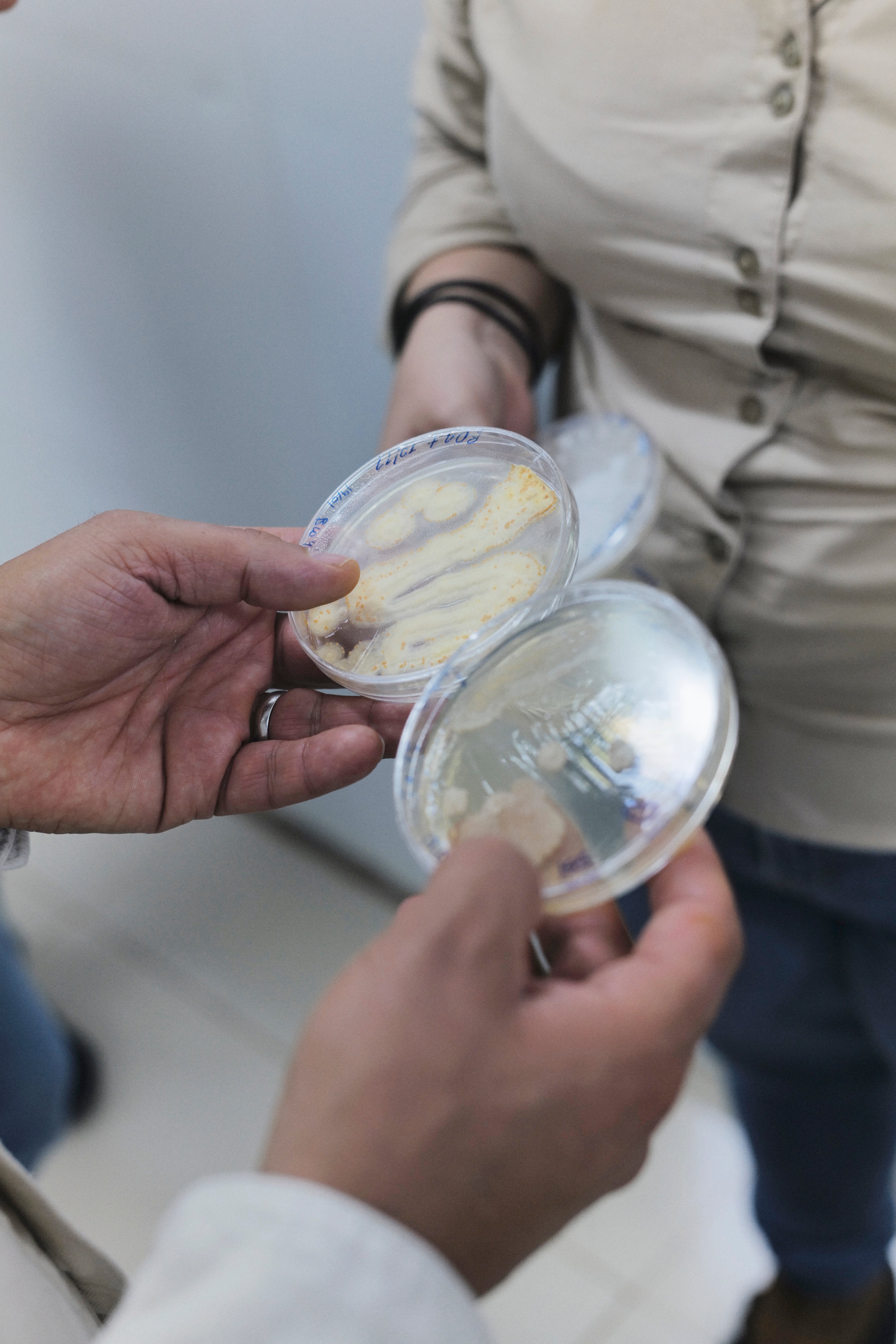
That sounds simple. In reality, it’s quite the opposite. Regenerative agriculture is not a romantic retreat from modernity, but a highly complex form of precision. It requires knowledge of soil biology, crop rotation, pest pressure, microbiology, humus formation and water-holding capacity. Its basic premise is this: soil is not a passive substrate to which one simply adds nutrients until the numbers add up. It is a living system. If it is overused, compacted, leached or left vulnerable to erosion, it loses not only its yield potential but also its “memory”. If, in contrast, it is stabilised through crop rotation, reduced chemical intervention, biodiversity and organic activity, it can once again do what healthy soils have always done: store water, nourish plants, sequester carbon and sustain life. Anyone driving through these farms therefore encounters not some folkloric counterpoint to industry, but a different kind of industry: laboratories, pilot plants, agronomic teams, measurement data and fermentation tanks. The work with biological inputs is particularly revealing. According to Forbes Brazil, Scheffer has invested millions in its own biofactory with reactors for producing biological inputs and has already achieved a significant reduction in the use of chemical additives in cotton cultivation. Pioneering spirit – made in Brazil.
But this pioneering spirit stands for far more than that. It taps into a cultural reflex. In Europe, Brazil is often seen as a byword for overexploitation, slash-and-burn farming, monoculture and the ecological crisis in the tropics. This image has not arisen without reason, but it is incomplete. It overlooks those in Brazil who are working on alternative agricultural methods – not in opposition to productivity, but precisely because of it. Simon Khasani’s journey therefore also takes him to a country of contradictions: vast in scale, export-oriented, technologically advanced, ecologically vulnerable and, at the same time, full of agricultural innovators. Here, sustainability is not merely a gimmick for the European market. Where it is taken seriously, it is a matter of survival for the soil. For a responsible company like MAC JEANS, this point is crucial. Denim thrives on durability, on patina and on the promise of lasting longer than a single season. Yet the fabric comes with a price. Cotton can be water-intensive; in conventional growing regions, several thousand litres of water are often estimated to be required for a single pair of jeans. This is precisely why the question of the fibre’s origin becomes a question of the product’s credibility. A pair of trousers does not begin at the cutting table, but in the field. Their quality is not just about texture, colour and fit. It is also the sum of the decisions made before the first thread was even spun.
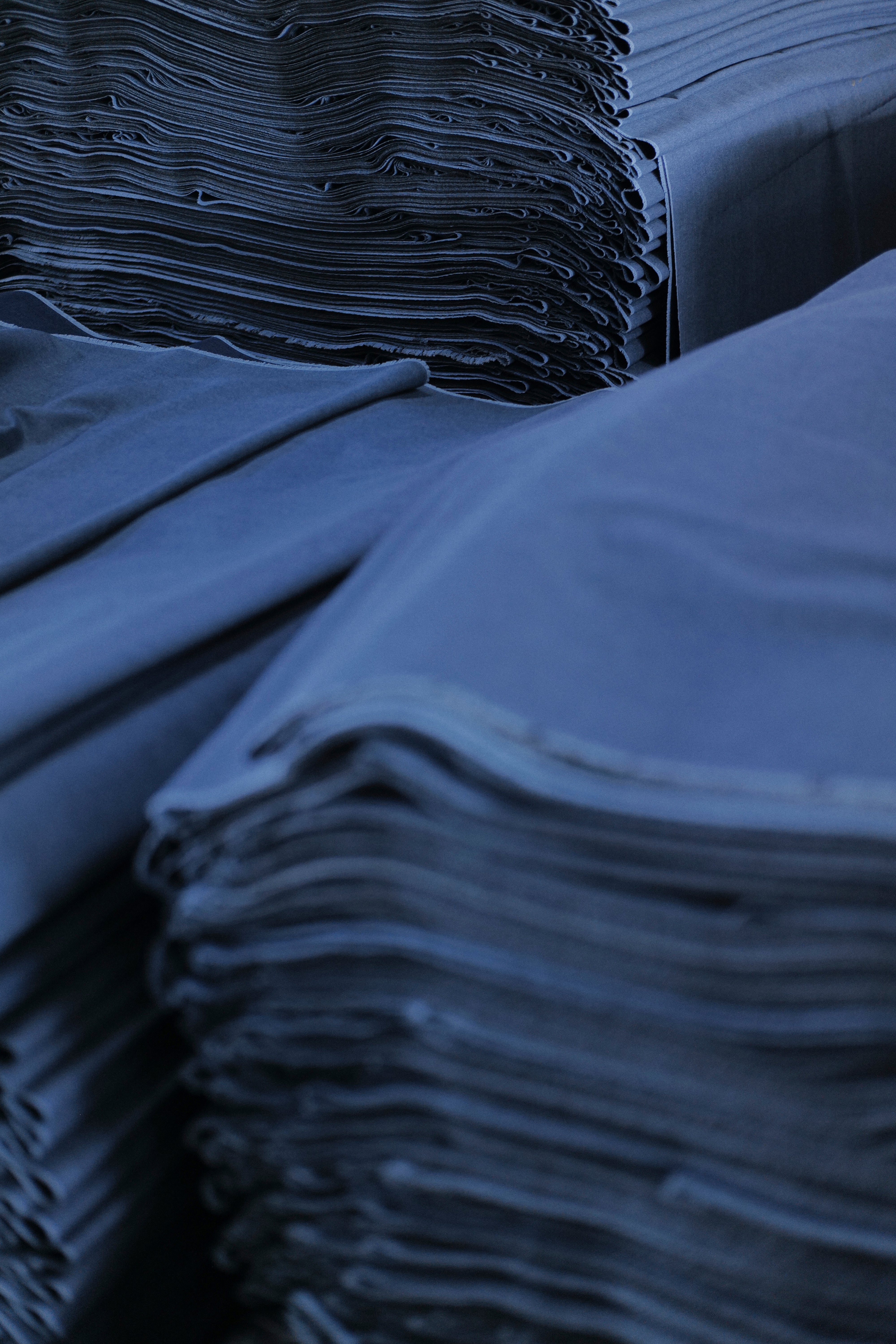
From the field, the journey continues to Vicunha, an internationally active Brazilian denim manufacturer. Vicunha sources regenerative cotton directly from the region and processes it into denim fabrics. The company describes itself as a pioneer in Brazil in the use of locally sourced, traceable regenerative cotton in denim fabrics; according to the company, the fabrics are produced in factories in north-eastern Brazil. The collaboration with Scheffer thus brings together elements that are often discussed separately in the fashion industry: agriculture, spinning, weaving, finishing and design. It is precisely this connection that interests Khasani. After all, menswear – when done well – is rarely flashy. It wins people over not through bold statements, but through its poise. The fabric must drape beautifully without being overpowering. The colour must have depth without becoming merely decorative. The trousers must stand the test of everyday wear without parading the word “sustainability” like a label. Regenerative cotton is no licence to do as one pleases, but a starting point – a fibre with provenance and a supply chain that can be told because it is traceable.
One might say that true luxury here does not lie in rarity, but in doing the right thing. In the decision to use less water where rain is sufficient. In soils that are not simply exploited, but nurtured. In farms that do not merely combat pests, but explore ecological antagonists and microbial solutions. In fabrics whose quality is achieved not at the expense of nature, but through a better understanding of its processes. The end result is denim, but the path to it has shifted. It leads not merely through yarn counts, washes and silhouettes, but also through rainfall windows, soil life and biological resilience. The new range, “RAINBORN DENIM: Engineered by Nature, Raised in Brazil”, is therefore not a marketing slogan, but an accurate description: cotton born of rain, grown on regenerative soils and processed into fabrics that demonstrate that modernity in fashion does not necessarily lie in the new. Sometimes it lies in the age-old realisation that you only truly understand a material once you know where it comes from.
For MAC JEANS, this journey is therefore more than just research. It is a reaffirmation. Anyone who makes trousers is working with one of the world’s most democratic garments. Everyone knows denim, everyone wears it and everyone thinks they know what a pair of jeans is. Yet it is precisely the everyday that deserves precision. It deserves a sense of origin. It deserves a closer look at the landscapes, people and processes that turn cotton into fabric – and fabric into a sense of purpose.